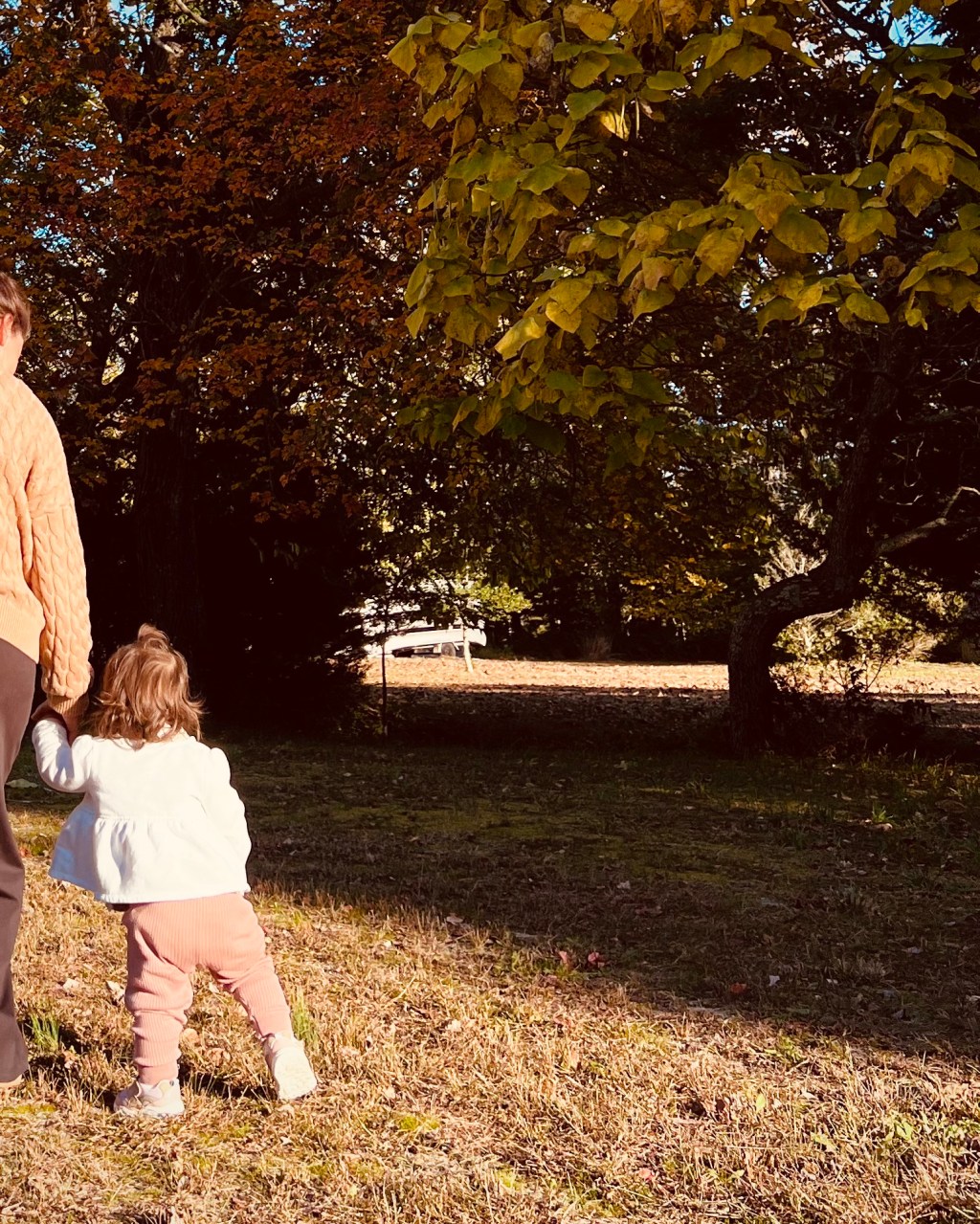
Lately, I’ve been reflecting on this season of motherhood as my daughter, Samantha, turned 18 months today. It’s a season that continues to grow me and stretch me — sometimes gently, sometimes uncomfortably. There are days I feel tender and worn, and other days I’m surprised by the strength and softness that have emerged in me.
As I’ve moved through this chapter, I’ve found myself sitting with a question many mothers quietly carry but rarely say out loud:
Why does motherhood feel harder for some of us?
When Motherhood Looks Easier for Other Moms
When I bring Samantha to activities, I sometimes notice other mothers who appear energized and confident, as if motherhood comes naturally to them. Watching that can quietly stir something in me.
Those moments can lead to self-doubt. I catch myself wondering if I’m doing something wrong, or if I’m somehow less capable because this feels heavier for me.
What often goes unseen is what I’m carrying beneath the surface. My experience of motherhood has been shaped by deep grief—both visible and invisible—and that weight changes how motherhood feels in my body and heart.
But when I slow down and meet those thoughts with reflection and self-compassion, something shifts. I begin to see that motherhood may feel harder for me in certain ways — not because I’m failing, but because of who I am, what I carry, and the season of life I’m in. I’ve written more about losing and rediscovering myself in motherhood in my post on motherhood, identity, and healing.
Hard doesn’t mean wrong.
It simply means my path looks different.
How Life Stage and Experience Shape Motherhood
One part of this for me is age and life stage. Many of the mothers around me are in their 30s, and when I think back to that time in my own life, I had more physical resilience and could bounce back more easily.
Now, in my early 40s, my body asks for more care and rest. But it isn’t just about energy. I lived much more of my life before becoming a mother and grew accustomed to a certain rhythm and independence. The shift into motherhood disrupted that baseline in a way that felt jarring to my system, and learning to honor that has become an important part of my journey.
Holding Both the Challenges and the Gifts
As I reflect on this point in my life, I want to be clear about something that matters deeply to me. While there are both challenges and gifts to having Samantha in my 40s, this reflection is not rooted in regret.
In many ways, I believe this experience has made me a better mother for her.
I’m more present. I’m more emotionally available. I’m more grounded in who I am. I pause more and respond more thoughtfully. I’m able to be with her in ways I simply couldn’t have been earlier in my life, and that presence is shaping her foundation. Becoming a mother after loss has also deeply shaped how I show up for her — something I share more about in my story of pregnancy after loss.
If I’m honest, had I become a mother in my 30s, my life would have looked very different. But these reflections aren’t about wishing I had done things differently. They’re about honoring the reality of this season — both the weight it carries and the gifts it offers.
Motherhood didn’t arrive late for me.
It arrived when I was ready to meet it with my whole self.
When Health Shapes Motherhood
Another layer I’ve come to acknowledge is my health. I’ve experienced significant postpartum thyroid issues, along with other chronic health challenges, and this has shaped how motherhood feels in very real ways. I’ve shared more about this experience in my reflection on postpartum thyroid healing and recovery.
For me, part of this has been grieving how I thought motherhood would be. I took care of myself for many years. I worked out, ate well, and lived a healthy lifestyle, so I expected to enter motherhood feeling strong, healthy, and energized. That hasn’t been my experience.
Instead, I’ve had to come to terms with realities I didn’t anticipate and allow motherhood to look different than I imagined.
Living in the In-Between of Motherhood
Much of what feels uncomfortable about this season is that I’m living in between worlds. I’m grieving the life I once had, while not yet fully settled into my new life.
That in-between space can feel unsettling. And yet, beneath it, I feel something steady taking root — a stronger, wiser version of myself. I trust that as Samantha grows, this new life will continue to take shape, and it will be deeply meaningful.
This isn’t my forever.
It’s my becoming.
How Motherhood Is Shaping Me
Motherhood is shaping me in quiet but lasting ways. I’m becoming more patient, more flexible, and clearer about my boundaries. I’m learning how to show up with intention — even when it’s hard.
Much of that intention comes from a desire to raise Samantha differently: to break old patterns and create something healthier for her. I explore this more deeply in my letter about breaking generational cycles with love and faith.
I’m not sharing these reflections from a place of defeat or self-pity. I’m sharing them from a place of honesty and growth.
This isn’t a story of failure.
It’s a story of becoming.
For the Mothers Who Feel Motherhood Is Harder
If motherhood feels heavier for you, I want you to know this:
Hard doesn’t mean wrong.
Struggle doesn’t mean failure.
Growth often feels uncomfortable.
Becoming takes time.
Some of us feel motherhood more deeply — and that doesn’t make us less capable.
It makes us human.
Gentle Truths I Return to When Motherhood Feels Heavy
If you need something to hold onto, here are a few gentle truths I come back to often:
You are not behind, even when it feels like everyone else is ahead.
Your sensitivity is not a weakness — it’s part of how you love deeply.
You’re allowed to grieve the life you had and still love the life you’re building.
Rest is not something you earn by doing more; it’s part of how you keep going.
This season will not always feel this heavy, even if you can’t yet see what’s next.
Take what resonates. Leave the rest.
The Mother I Hope to Be
I hope that as Samantha grows, she will see a mother who was present. A mother who felt deeply. A mother who understood that attending to her own needs mattered — and made it a priority whenever possible. A mother who knew that caring for herself wasn’t selfish, but essential. A mother who made mistakes and repaired them.
I’m learning that the more I pour into myself, the better I feel. And the better I feel, the more grounded and available I am as her mother. That care doesn’t just shape me — it shapes the life I’m building for her.
Motherhood may feel harder for some of us, but it is also shaping us into thoughtful, resilient, deeply connected mothers.
And that matters.
If this resonated with you, I hope it reminded you that you’re not alone — and that struggling doesn’t mean you’re failing. You’re allowed to move through motherhood at your own pace, in your own way.

 Inspired Mama Blog